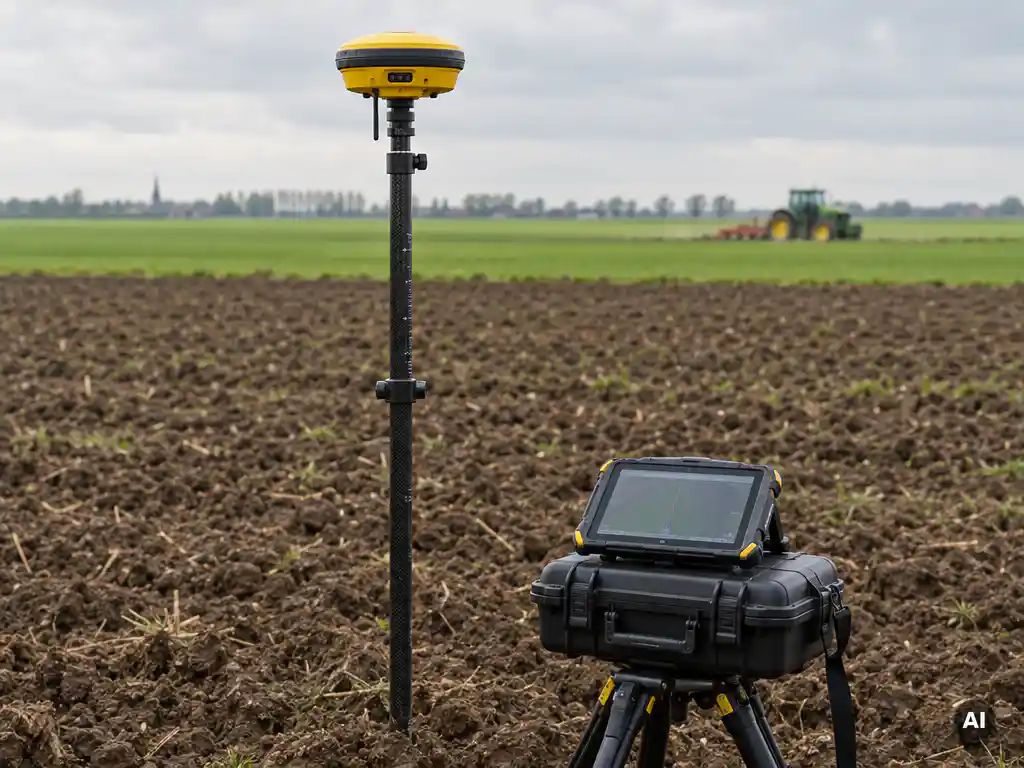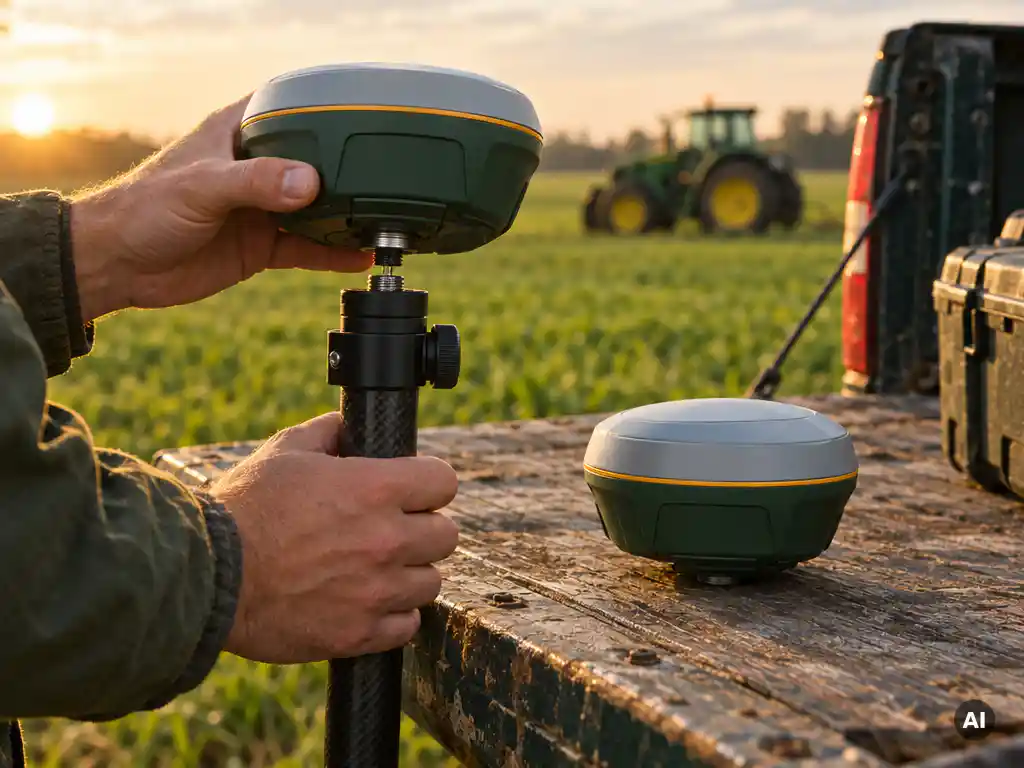









RTK subscriptions for occasional surveyors work on a flexible basis: you pay for access to a correction network only for the period you need it, typically a day, week, or month, instead of committing to a full year. This lets you get centimeter-level accuracy on project days without paying for idle months in between. The sections below cover plan types, real costs, pausing, and how to choose well.
Which RTK Subscription Types Suit Occasional Surveying Work?
Short-term and flexible plans suit occasional surveying best. Daily, weekly, and monthly RTK subscriptions let you buy correction access only when a job requires it, while annual plans make more sense for people who survey several days every week. Your project rhythm should decide the plan type.
In practice, most providers offer some mix of these options:
- Pay-per-day or pay-per-week access: ideal if you work on a handful of days each month and want zero idle cost.
- Monthly rolling plans: a good fit when you cluster fieldwork into one or two busy weeks and can switch off afterward.
- Annual plans: usually the lowest price per month, but only worth it if you use corrections regularly.
Coverage and network structure differ by region, so always confirm that the network reaches your actual job sites before you choose a plan.
How Do You Calculate the Real Cost of Occasional RTK Use?
To calculate the real cost, divide the total subscription price by the number of days you actually survey with corrections. This gives you a cost per working day, which lets you compare a short-term plan against an annual one fairly. Add any activation fees, data costs, and receiver compatibility expenses.
Follow these steps:
- Estimate how many field days you need corrections over the next 12 months.
- Price each plan type for that same period, including one-off fees.
- Divide each total by your estimated field days.
- Compare the cost per day, and check what happens if your usage turns out higher than expected.
For example, if an annual plan only wins when you work more than a set number of days, but you realistically survey far fewer, a flexible plan will almost always be cheaper. Do not forget the hidden cost of not having RTK on a tight job: re-measuring or delays can cost more than the subscription itself.
Can You Pause or Cancel an RTK Subscription Between Projects?
It depends on the provider, but many RTK services allow you to cancel or let a short-term plan lapse between projects. Plans with no long-term contract are the easiest to stop and restart. Annual contracts rarely allow pausing, so check the terms before you commit.
Look for these details in the terms:
- Contract length: month-to-month and fixed-term plans behave very differently.
- Notice period: some providers require advance notice before cancellation takes effect.
- Reactivation process: can you restart quickly with the same credentials, or do you need to sign up from scratch?
- Refund policy: usually no refunds for unused time on a prepaid period.
If your work is seasonal or project-based, a plan that you can simply stop renewing is often the most practical choice. It saves you from paying for months when your receiver sits in the case.
What Should Surveyors Check Before Choosing an RTK Plan?
Before choosing an RTK plan, check network coverage at your job sites, compatibility with your receiver, correction format support, and the terms for activation and cancellation. These four factors decide whether a plan actually works on site, regardless of how attractive the price looks.
Run through this checklist:
- Coverage: is there a reference station close enough to your work area? Distance from the nearest base station affects accuracy and reliability.
- Receiver compatibility: confirm that your GNSS receiver or rover supports the correction protocol, such as NTRIP, and the connection method you plan to use.
- Mobile data: corrections are delivered over a data connection, so make sure you have a reliable signal in the field.
- Support: a provider who understands surveying workflows saves time when something goes wrong on site.
- Pricing transparency: look for clear costs without surprise fees.
Test the connection on a small, low-stakes job first if you can. It is much easier to fix settings before a high-pressure project day.
How Do You Get Started With an RTK Subscription Quickly?
You can get started in a few minutes with most online RTK services. Choose a plan, pay online, receive your access credentials by email, and enter them into your receiver’s NTRIP settings. Then check that you reach a fixed solution before you begin measuring.
- Select your plan based on the number of field days you expect.
- Complete the online order and payment.
- Receive your credentials (server address, port, mountpoint, username, and password).
- Enter the details in your receiver or data collector.
- Confirm a fixed RTK solution and verify against a known control point if possible.
Set up the connection the day before a job rather than on site. That way, any configuration issue does not eat into your working day.
How RTKsub Works for Occasional Surveying
We built our RTK subscription service so surveyors who only need corrections a few days per month can get centimeter-level accuracy without paying for time they do not use. Our monthly plan can be cancelled each month and started again for the next project, and it works with drones, tractors, excavators, and surveying equipment.
- Fast activation: request one or more subscriptions through our online portal and receive your access credentials by email within minutes after payment.
- Transparent pricing: clear costs, so you can calculate your cost per field day with confidence. See pricing.
- Free trial: test your receiver on a real job with a free 30-day trial, without a credit card.
- Broad coverage: 22,000+ GEODNET base stations in 170+ countries, including the United States, with typically 1 to 2 cm accuracy under good conditions. Check the coverage map for your job sites.
- Easy integration: quick connectivity with your existing systems and receivers.
- People who understand workflows: our team knows surveying, mapping, and construction work, and can help you pick the right setup.
Not sure which option fits your project calendar? Contact us and we will help you find the most practical and affordable way to get RTK corrections exactly when you need them.
Frequently Asked Questions
What if I need RTK corrections on short notice for an unplanned job?
Choose a provider with online activation so you can order and receive credentials by email within minutes. Keep your receiver’s NTRIP profile saved and tested beforehand, so you only need to update the login details on the day.
What should I do if I can’t get a fixed RTK solution after activating my subscription?
First double-check the server address, port, mountpoint, username, and password for typos. Then confirm you have a stable mobile data signal and a clear view of the sky, and verify your receiver supports the correction format. If it still fails, contact your provider’s support.
Is a short-term plan less accurate than an annual one?
No. Accuracy depends on the network coverage, your distance to the nearest reference station, and your receiver, not on the plan length. A daily or monthly plan delivers the same corrections as a yearly one.
When does it make sense to switch from a flexible plan to an annual one?
Switch when your cost per field day on an annual plan drops below what you pay for short-term access, usually when you survey regularly each week. Review your actual field days after a few months and recalculate before renewing.